Compare Local Contractors for Sitework Service Success
Compare local contractors for sitework to define your project scope, verify experience, and establish clear expectations in writing for a successful outcome.
Sitework services encompass a range of foundational tasks necessary to prepare a property for construction or development. Typical work includes grading and excavation to create a level surface, utility installation such as water, sewer, and electrical lines, and drainage solutions to manage water runoff effectively. These activities establish the groundwork for future building projects, ensuring stability and proper function of the developed site. Understanding the scope of sitework helps property owners communicate their needs clearly and ensures that contractors deliver the services required to meet project specifications.
Defining the scope of sitework is a crucial step that can influence the overall success of a project. Clear, detailed documentation of the work needed-such as specific grading requirements, utility hookups, or drainage systems-helps prevent misunderstandings and scope creep. When scope is explicitly outlined, property owners can better evaluate proposals, verify that bids align with expectations, and avoid potential disputes. A well-defined scope also facilitates effective communication with contractors, ensuring that all parties share a common understanding of the work to be performed.
Comparing local contractors for sitework services involves assessing their experience, reputation, and ability to handle specific project requirements. Property owners should consider requesting references or examples of past projects similar in scope and complexity. It's also helpful to verify that contractors have experience working within the local area’s soil conditions and regulatory environment. When evaluating service providers, it’s important to review their proposals carefully, paying attention to how they define the scope of work and the level of detail included. This approach can help identify contractors who are best equipped to meet project needs and ensure a smooth, well-managed process.
Compare local contractors by outlining your project priorities, verifying experience, and setting clear expectations in writing.
- Compare Contractors - review multiple local contractors to find the best match for sitework needs.
- Define Scope Clearly - outline project requirements in writing to ensure mutual understanding.
- Verify Experience - check the background and past work of service providers to assess their expertise.
- Set Expectations in Writing - document project details and deliverables to facilitate clear communication.

Clearly describe your sitework project scope to effectively compare local contractors, verify experience, and set expectations in writing.
- Verify experience and references for sitework services to ensure contractors have relevant project history. - Look for local contractors with a proven track record of completing similar site preparation projects.
- Define the scope of work clearly in writing to set expectations and prevent misunderstandings. - Ensure the scope includes site clearing, grading, excavation, and any other necessary services.
- Compare multiple local contractors to assess their expertise, communication, and professionalism. - Gathering detailed information helps identify the most suitable service providers for the project.
- Check that contractors have appropriate equipment and resources to handle the scope of sitework tasks. - Confirm they possess the necessary tools and machinery for efficient and quality work.
- Assess the ability of service providers to coordinate with other trades and project phases effectively. - Clear communication and planning are essential for smooth project execution.
- Ensure all project details, responsibilities, and expectations are documented in a comprehensive contract. - A written agreement helps protect interests and provides a reference for project completion.
Compare local contractors to clarify scope, verify experience, and set clear expectations in writing.
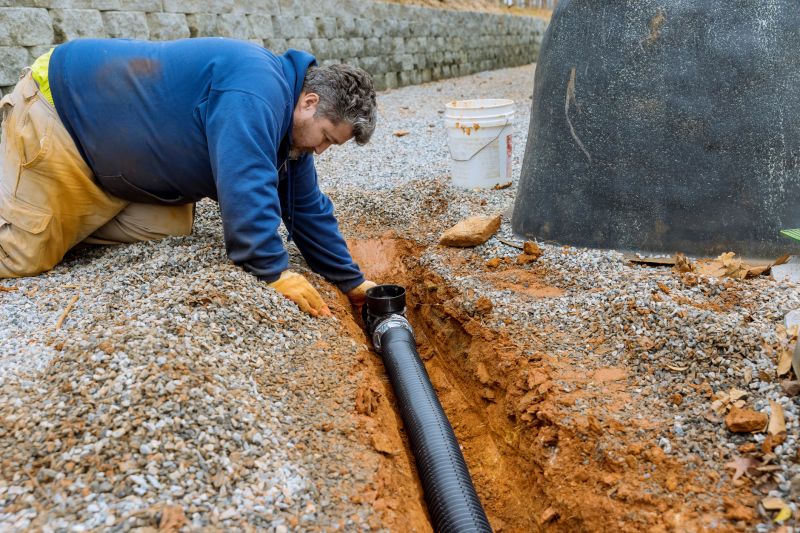
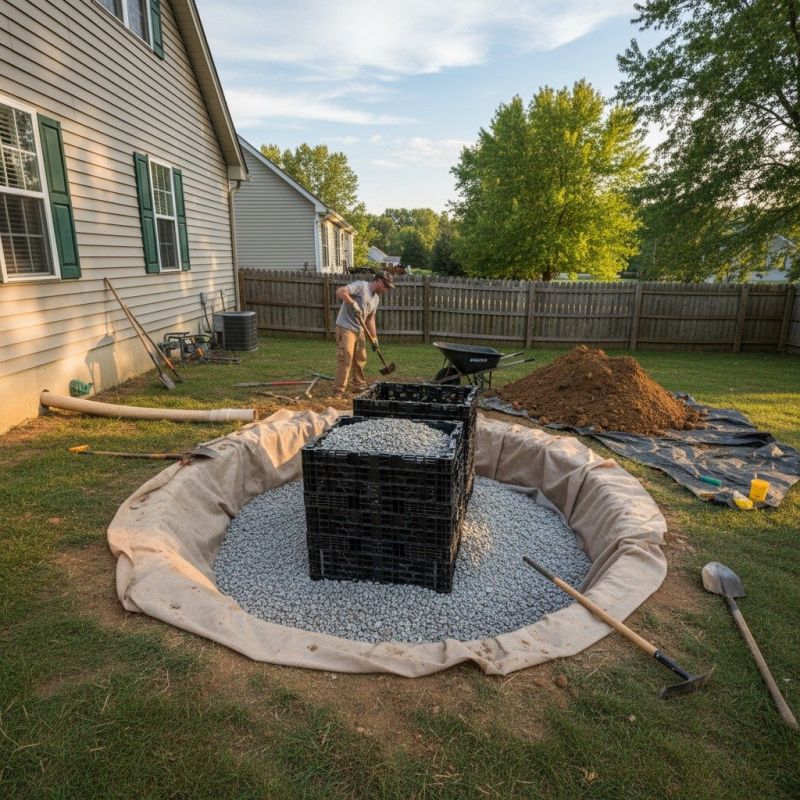


Learn how to compare sitework contractors, define project scope, verify experience, and set clear expectations in writing.
- Project Scope Definition - Clearly outline the specific sitework services needed, including excavation, grading, and drainage work.
- Experience Verification - Confirm that local contractors have relevant experience with similar site conditions and project requirements.
- Scope of Work Documentation - Ensure detailed scope descriptions are documented in writing to prevent misunderstandings.
- Service Provider Comparison - Evaluate multiple local service providers based on expertise, reputation, and scope clarity.
- Expectations and Deliverables - Define and agree upon the expected outcomes and deliverables to align project understanding.
When evaluating contractors for sitework services, it’s essential to consider their experience with projects similar in scope and complexity to the one at hand. Homeowners should inquire about the types of sites the contractor has worked on previously, paying attention to the size, terrain, and specific challenges encountered. A contractor with a proven track record in comparable projects is more likely to understand the unique requirements and potential obstacles, helping to ensure the work proceeds smoothly and meets expectations.
A clear, written scope of work is a critical component when comparing local service providers. This document should outline all aspects of the project, including site preparation, grading, excavation, and any other relevant tasks. Having a detailed scope helps prevent misunderstandings and provides a basis for verifying what is included in the service. It also serves as a reference point throughout the project, ensuring that both parties have aligned expectations and that the work remains focused on the agreed-upon parameters.
Verifying a contractor’s basic qualifications involves reviewing their history of similar projects and confirming their familiarity with the specific site conditions involved. Homeowners should seek information about the contractor’s approach to site assessment, including how they plan to handle soil stability, drainage, and access issues. Understanding their methods for ensuring quality and safety during the work can provide insight into their professionalism and reliability. Asking for references or examples of past work can also help gauge their experience and the consistency of their performance.
When comparing options, it is important to evaluate how well each contractor’s proposal aligns with the project’s scope and site conditions. Homeowners should review the details of each service provider’s approach, including their plan for managing unforeseen challenges and their communication process. Clarifying expectations in writing, such as deliverables and responsibilities, helps establish a solid foundation for the project. Focusing on the contractor’s experience, scope clarity, and approach to verification ensures a more informed decision-making process without relying on price considerations.
Ask contractors to provide written scope details to ensure clear expectations and consistent project understanding.
- Experience and Expertise - What specific sitework projects have local contractors successfully completed similar to this scope?
- Scope Clarity - How clearly do contractors define the work included and excluded in their scope of services?
- Services Offered - What types of site preparation, grading, excavation, or foundation work do local service providers typically include?
- Project Approach - How do contractors plan to handle site conditions and unforeseen issues during the project?
- Communication and Documentation - How do local contractors document project details and ensure expectations are clearly outlined in writing?
How can I find reliable contractors for sitework services? To find dependable service providers, compare local contractors based on experience, reputation, and reviews. It’s important to verify their background and ensure they have a history of completing similar projects successfully.
What should I consider when defining the scope of a sitework project? Clearly outline the specific tasks and responsibilities involved, including site preparation, grading, and excavation. Detailed scope definitions help ensure all parties agree on project expectations and deliverables.
How can I verify a contractor’s experience in sitework services? Review their work history, request references, and examine past projects similar to your needs. Confirming their background helps gauge their ability to handle your project effectively.
Why is it important to have a written agreement with a sitework contractor? A written contract clarifies project scope, responsibilities, and expectations, reducing misunderstandings and providing a reference point throughout the project.
What questions should I ask when comparing local contractors for sitework? Inquire about their previous experience, methods, equipment used, and how they handle project challenges. Comparing their approaches helps identify the best fit for your project.
How can I ensure a contractor understands my project requirements? Communicate your needs clearly and request detailed proposals or plans. Confirm that the contractor’s understanding aligns with your expectations before proceeding.
This page has highlighted the importance of clearly defining project scope, verifying the experience of local contractors, and setting expectations in writing when selecting a sitework service provider. It emphasizes the value of comparing multiple options to find the best match for specific project needs, ensuring that all details are understood upfront. By taking these steps, individuals can make more informed decisions when choosing a contractor for sitework services.
To explore local contractors capable of handling sitework projects, use the quote form to compare options available in the area. This process helps identify experienced service providers and facilitates direct communication to clarify project details, ensuring that expectations are aligned before moving forward.