Get Trench Installation
Trench installation services help property owners solve drainage, utility, and foundation issues by connecting them with local contractors experienced in digging, laying pipes, cables, and other underground work.
If you're considering trench installation for your property, you've come to the right place. Proper trench work can be essential for a variety of projects, including utility lines, drainage systems, or landscaping enhancements. Property owners in the area often explore trenching to improve functionality, manage water flow, or prepare for future upgrades. By reviewing local service providers, you can compare options to find experienced contractors who understand the specific needs of your property and project goals.
Exploring your options for trench installation involves understanding the scope of work and selecting trusted local contractors who can deliver quality results. Whether planning a new installation or upgrading existing infrastructure, researching available services can help ensure the project is handled efficiently and effectively. Keep reading to discover how local pros can assist with your trenching needs and provide the expertise necessary to support your property improvements.
- Commercial properties - businesses needing durable trench work for utility installations or drainage systems.
- Residential homes - homeowners requiring trenching for landscaping, irrigation, or foundation work.
- Industrial sites - facilities needing extensive trench installation to support infrastructure and equipment.
- Public infrastructure projects - municipalities seeking trenching services for roadwork, sewer lines, or public utilities.
- Renovation and remodeling - contractors performing upgrades that involve underground utility access or new piping.
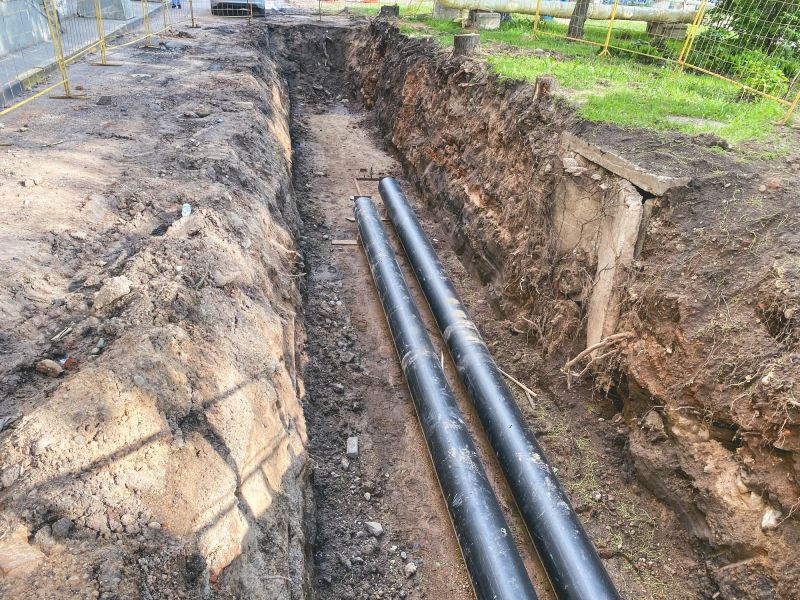
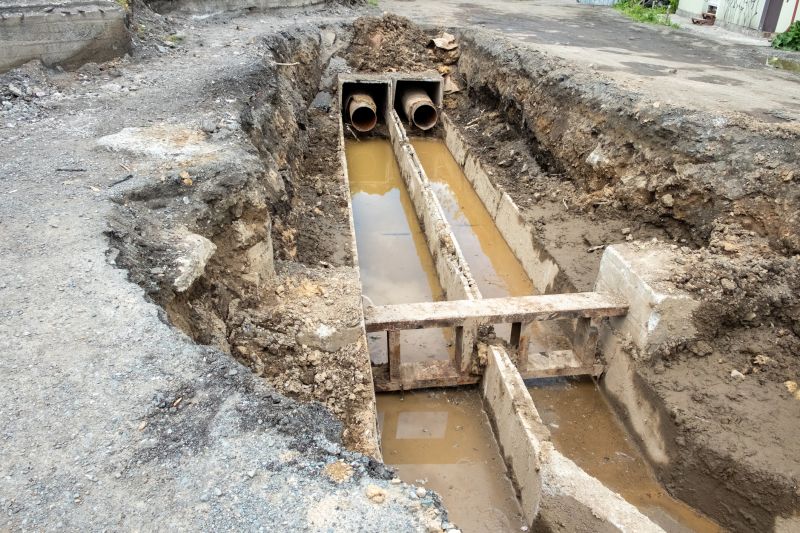
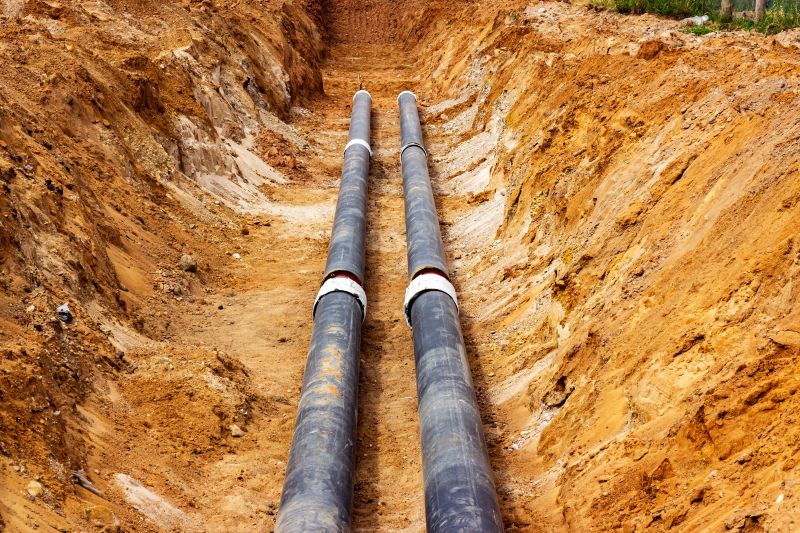
Trench installation services involve the careful digging and placement of trenches to serve a variety of practical purposes around a property. These trenches can be used for installing underground utilities such as water lines, sewer pipes, electrical cables, or drainage systems. Skilled contractors ensure that trenches are dug to precise depths and widths, with proper grading and support to prevent future issues. The process typically includes preparing the site, excavating the trench, laying the necessary infrastructure, and backfilling to restore the landscape.
One of the primary problems that trench installation helps solve is managing water runoff and preventing flooding. Proper drainage trenches can direct excess rainwater away from foundations, basements, or other vulnerable areas, reducing the risk of water damage and soil erosion. Additionally, trenching is essential when upgrading or repairing underground utility lines, helping to avoid accidental damage to existing infrastructure. It also provides a safe and organized way to install new services without disrupting the surface landscape or existing structures.
Properties that commonly use trench installation services include residential homes, commercial buildings, and industrial sites. Homeowners may need trenches for new water or sewer connections, irrigation systems, or drainage improvements around their property. Commercial and industrial properties often require more extensive trenching for complex utility networks or site drainage solutions. Regardless of the property type, trench installation is a practical solution for establishing or upgrading underground infrastructure in a way that is both efficient and minimally disruptive.
Hiring local contractors for trench installation ensures that the work is performed by experienced professionals familiar with the specific requirements of the area. These service providers can assess the property’s needs, advise on the best trenching practices, and execute the project with attention to safety and precision. Whether addressing drainage issues, utility upgrades, or new installations, residents and property owners can find skilled local pros ready to handle trench installation projects efficiently and effectively.
The overview below groups typical Trench Installation projects into broad ranges so you can see how smaller, mid-sized, and larger jobs often compare in your area.
In many markets, a large share of routine jobs stays in the lower and middle ranges, while only a smaller percentage of projects moves into the highest bands when the work is more complex or site conditions are harder than average.
Smaller Repairs - Typical costs for minor trench repairs or patching usually range from $250-$600. Many routine jobs fall within this middle range, depending on the extent of the work needed. Fewer projects tend to push into the higher end of this band.
Standard Installation - Installing a new trench system generally costs between $1,000-$3,000 for most residential projects. Local contractors often find that most jobs land in this range, with larger or more complex installations reaching higher prices.
Full Replacement - Replacing an entire trench system can range from $4,000-$8,000 or more. Larger, more involved projects tend to fall into this higher tier, though many projects are completed within the lower part of this range.
Complex or Custom Projects - Very extensive or specialized trench installations can exceed $10,000, especially for complex site conditions or custom designs. These projects are less common and typically represent the upper end of the cost spectrum for local service providers.
Actual totals will depend on details like access to the work area, the scope of the project, and the materials selected, so use these as general starting points rather than exact figures.
Foundation Excavation - This project involves digging trenches and excavating soil for building foundations, requiring similar planning and earth-moving skills as trench installation.
Drainage System Installation - Installing underground drainage pipes involves trenching and precise placement, making it comparable to trench installation services.
Utility Line Placement - Laying electrical, water, or gas lines requires trenching and careful planning, similar to the skills used in trench installation projects.
Irrigation System Setup - Installing underground irrigation lines involves trenching and careful routing, aligning with the techniques used by trench installation specialists.
Cable and Conduit Installation - Running cables and conduits underground requires trenching and precise work, paralleling trench installation tasks.
Retaining Wall Construction - Building retaining walls often involves excavation and earthwork, which shares techniques and tools with trench installation services.
When evaluating service providers for trench installation, it’s important to consider their experience with similar projects. Homeowners should look for local contractors who have a proven track record of completing trench work comparable in scope and complexity. This helps ensure that the pros understand the specific challenges that might arise and have the skills necessary to handle the job efficiently. Asking for details about past projects or reviewing any available portfolios can provide insight into their familiarity with trench installation and their ability to deliver quality results.
Clear written expectations are crucial when choosing a trench installation service provider. Homeowners should seek out local contractors who can provide detailed descriptions of the work scope, materials, and methods involved. Having these expectations documented helps prevent misunderstandings and ensures everyone is aligned on the project’s requirements. It’s also beneficial to confirm that the contractor can supply reputable references from previous clients, which can offer reassurance about their reliability and the quality of their work.
Effective communication is a key factor in selecting the right service provider for trench installation. Homeowners should prioritize local pros who are responsive, transparent, and willing to answer questions thoroughly. Good communication fosters trust and makes it easier to address concerns or adjustments throughout the project. Since this site connects homeowners with local contractors rather than performing the work itself, it’s important to focus on how well prospective service providers communicate and whether they can clearly articulate their process and expectations. This approach helps ensure a smooth and successful trench installation experience.
Property owners use Trench Installation services for practical projects around their homes and businesses. This guide focuses on everyday jobs and straightforward project options.
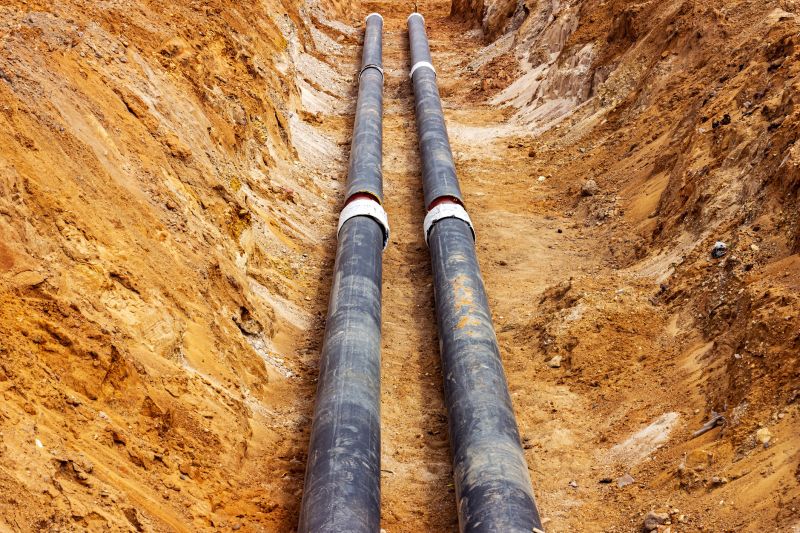
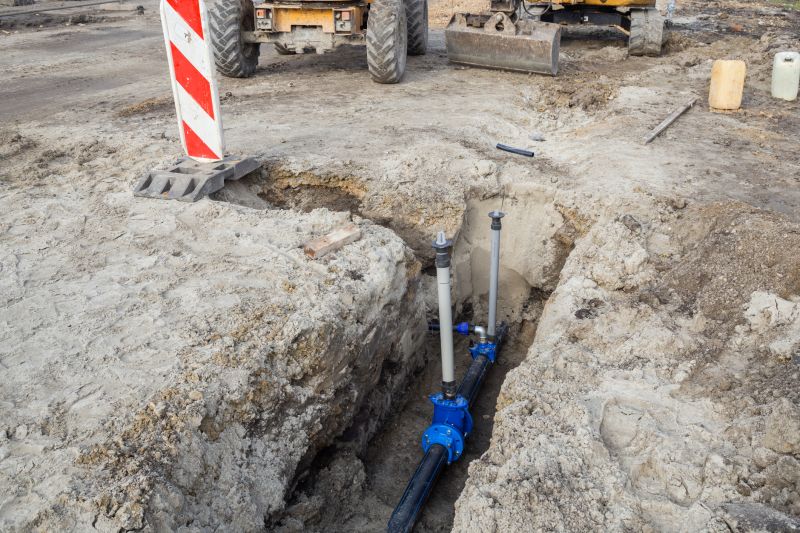
Trench installation services are often needed for a variety of everyday property projects. Homeowners and property owners might seek these services when installing new irrigation systems, laying out utility lines, or preparing land for landscaping and gardening. Local contractors can assist with digging precise trenches to ensure proper placement of pipes, cables, or drainage systems, helping property owners complete their projects efficiently and effectively.
Additionally, property owners may look for trench installation when upgrading existing infrastructure or repairing underground utilities. Whether it's replacing old pipes or installing new drainage solutions, local service providers are equipped to handle these tasks safely and accurately. Connecting with experienced contractors can make these essential improvements easier, ensuring the work aligns with the property's needs and local requirements.
What types of trenches do local contractors install? Local service providers can install various types of trenches, including utility trenches, drainage trenches, and foundation trenches, tailored to specific project needs.
How do I prepare my property for trench installation? Property preparation typically involves clearing the area of obstacles, marking the trench path, and ensuring easy access for equipment, as advised by local contractors.
What materials are used for trench walls? Common materials for trench walls include soil, gravel, and sometimes retaining structures, depending on the purpose and soil conditions.
Are there specific permits required for trench work? Permit requirements vary by location; local service providers can advise on whether permits are necessary for trench installation projects.
What safety considerations are involved in trench installation? Safety measures often include shoring or shielding trench walls, proper equipment use, and adhering to safety guidelines provided by local contractors.
Drainage Improvement - Property owners can enhance drainage around their home to prevent water pooling during heavy rainfalls with the help of local contractors.
Foundation Protection - Installing trenches can help redirect water away from the foundation, reducing the risk of damage and maintaining structural integrity.
Landscape Drainage Solutions - Trench installation can be used to create effective drainage pathways in yards, preventing erosion and soggy areas.
Utility Line Installation - Trenches provide a practical way to install or upgrade utility lines such as irrigation, electrical, or plumbing systems underground.
If you are thinking about Trench Installation for a property, this guide is meant to help you understand the work, the typical project types, and how different options might fit your plans.
When you are ready, you can use the quote form on this page to share a few details about your project. From there, local pros can review the basics and respond with options that match what you have in mind.